How I Regained My Balance – A Real Talk Guide to Daily Recovery Moves
Balance isn’t just for athletes—it’s a daily necessity. I learned this the hard way after a minor fall made me realize how much I’d taken it for granted. The truth? Balance declines quietly with age, inactivity, or injury, often unnoticed until it’s compromised. But here’s the good news: small, consistent moves can make a real difference. This is not about extreme workouts or quick fixes—it’s about practical, doable steps that actually work. Let me walk you through what helped me regain stability and confidence, one step at a time.
Why Balance Matters More Than You Think
Beyond graceful turns or confident steps, balance is the foundation of everyday movement. It’s what allows you to walk across an uneven sidewalk, climb stairs without holding the railing, or bend down to tie a shoe without wobbling. Most people don’t think about balance until it falters—until a misstep on a carpet edge or a sudden turn causes a stumble. For many, especially those over 40, this decline begins subtly. Muscle strength weakens, reflexes slow, and the body’s ability to respond to shifts in position diminishes. The result? A growing risk of falls, which remain one of the leading causes of injury-related hospital visits among adults.
Balance is not just a physical skill—it’s a complex coordination system involving three key inputs: vision, the inner ear (vestibular system), and proprioception, which is the body’s sense of where it is in space. When these systems work together, you can pivot, reach, and shift weight smoothly. But when one is impaired—say, due to poor eyesight or inner ear disturbances—the brain struggles to maintain postural control. Over time, even minor imbalances can lead to a fear of movement, reduced independence, and a cycle of inactivity that accelerates physical decline.
For older adults or those recovering from injuries, the consequences of poor balance can be life-altering. A fall may result in fractures, loss of mobility, or long-term reliance on assistive devices. But even before such events occur, subtle signs—like needing to steady oneself on furniture or hesitating before stepping off a curb—signal that balance is weakening. The good news is that balance is not a fixed trait. Like a muscle, it can be trained, strengthened, and restored through intentional, consistent practice. And the earlier you begin, the more effective the results.
Common Causes of Poor Balance: What’s Really Behind the Wobble
If you’ve noticed yourself feeling less steady on your feet, you’re not imagining it—and you’re certainly not alone. A wobble isn’t just a sign of aging; it’s often the result of specific, addressable factors. One of the most common contributors is muscle weakness, particularly in the core, hips, and lower legs. These muscle groups act as stabilizers, supporting the body during movement and helping correct imbalances before they lead to a fall. When they’re underused—due to prolonged sitting, reduced activity, or recovery from illness—their ability to respond quickly declines.
Another physical factor is joint stiffness, especially in the ankles and feet. The ankle joint plays a crucial role in balance by making constant micro-adjustments to keep the body upright. If ankle mobility is limited, those corrections become less effective, increasing instability. Similarly, knee or hip joint issues can alter gait and weight distribution, making movements less fluid and more prone to error. Over time, even minor joint discomfort can lead to compensatory habits—like favoring one leg or avoiding certain movements—which further disrupt balance patterns.
Neurological changes also play a significant role. As we age, nerve signaling between the brain and muscles can slow, delaying reflexive responses. This means that when you start to tip, your body takes longer to react. Conditions like peripheral neuropathy, often linked to diabetes or vitamin deficiencies, can reduce sensation in the feet, making it harder to detect shifts in terrain. Even without diagnosed conditions, years of sedentary behavior can dull the nervous system’s responsiveness, weakening the connection between intention and movement.
Lifestyle habits compound these physical changes. Hours spent sitting, especially with poor posture, weaken postural muscles and reduce circulation to the lower body. Excessive screen time encourages forward head posture and limited neck mobility, which can affect the vestibular system’s ability to process spatial orientation. Even footwear choices—like flat shoes with no arch support or high heels—can alter alignment and disrupt balance over time. While most of these factors develop gradually, their combined effect can be significant. Recognizing them is the first step toward addressing them—before a fall becomes the wake-up call.
My Turning Point: A Personal Wake-Up Call
My journey began not with a dramatic injury, but with a simple, humbling moment: I tripped on a sidewalk curb while walking to the mailbox. I didn’t fall, but I stumbled badly, grabbing the fence to steady myself. In that instant, I felt a wave of embarrassment, followed by something deeper—fear. I realized I hadn’t just lost my footing; I’d lost confidence in my own body. At 52, I wasn’t old, but I wasn’t as steady as I used to be. I started noticing other signs: hesitating before stepping into the shower, holding the counter while brushing my teeth, avoiding walks on uneven trails.
The emotional impact surprised me. I felt frustrated—not at my body, but at how quickly I’d accepted these limitations. I told myself it was normal, that everyone slows down with age. But deep down, I knew I didn’t have to resign myself to it. I didn’t want to become someone who avoided stairs or relied on a cane before it was truly necessary. I wanted to feel capable, independent, and in control of my movements. That small stumble became a catalyst for change—not because I needed a dramatic overhaul, but because I wanted to prevent a larger one.
I decided to start small. No gym memberships, no complicated routines. Just daily, manageable actions that would rebuild my strength and awareness. I began by standing on one leg while drying my hair. I added slow heel-to-toe walks down the hallway. I paid attention to how I stood, sat, and moved—something I’d never done before. Progress wasn’t linear. Some days, I felt steadier; others, I wobbled more than usual. But over time, I noticed improvements: longer balance holds, fewer near-misses, and a growing sense of confidence. This wasn’t about perfection—it was about showing up, consistently, for my body.
The 3 Pillars of Balance Recovery: Strength, Stability, and Awareness
Through trial, research, and guidance from a physical therapist, I identified three essential components of balance recovery: strength, stability, and awareness. These aren’t isolated elements—they work together to create a resilient, responsive body. Strength provides the physical power to support movement and correct imbalances. Stability allows for controlled, coordinated actions, especially during transitions like standing up or turning. Awareness, particularly proprioception, enables the body to sense its position and make adjustments without conscious thought. Together, they form a foundation that can be rebuilt at any age.
Strength, especially in the lower body and core, is the first pillar. Strong glutes, quadriceps, calves, and abdominal muscles act as anchors during movement. When these muscles are engaged, they help maintain an upright posture and absorb sudden shifts in weight. For example, stepping off a curb requires the quadriceps to contract quickly to stabilize the knee. Without adequate strength, the joint buckles, increasing fall risk. Simple strength-building exercises—like supported squats, calf raises, and seated leg lifts—can make a noticeable difference over time. The key is consistency, not intensity. Even two or three sets of ten repetitions, done daily, can strengthen the muscles responsible for balance.
Stability focuses on joint control and coordination. It’s not just about being strong, but about moving with precision. Stability training often involves slow, deliberate movements that challenge the body’s ability to maintain alignment. Examples include standing on a foam pad, performing weight shifts from heel to toe, or practicing controlled lunges with support. These exercises train the neuromuscular system to respond efficiently to disturbances. Over time, the body learns to make micro-corrections automatically, reducing reliance on external support. Stability work doesn’t require special equipment—just attention to form and movement quality.
Awareness, or proprioception, is the often-overlooked third pillar. It’s the body’s internal GPS, telling the brain where the limbs are in space. When proprioception is sharp, you can stand on one foot with your eyes closed or walk in the dark without stumbling. But like other senses, it can dull with inactivity. Rebuilding it involves exercises that remove visual cues and challenge the body’s spatial sense. Standing on one leg with eyes closed, walking heel-to-toe with head turns, or balancing on uneven surfaces are effective ways to sharpen proprioception. These activities stimulate nerve endings in the feet and joints, sending signals to the brain that enhance coordination. Over time, improved awareness leads to smoother, more confident movement.
Daily Moves That Actually Help: My Go-To Routine
One of the most empowering realizations was that balance training doesn’t require a gym, special gear, or hours of time. I built a simple, equipment-free routine that fits into my daily life. I start each morning with a balance check: standing on one leg while brushing my teeth, then switching sides. This takes less than two minutes but activates the muscles and nervous system early in the day. I focus on keeping my spine tall, my core engaged, and my gaze forward. If I wobble, I reset—no frustration, just practice.
Throughout the day, I incorporate mini-challenges. While waiting for the kettle to boil, I shift my weight from heel to toe, then side to side. This improves ankle mobility and strengthens the muscles that support balance. I also practice tandem stance—standing with one foot directly in front of the other, heel to toe—holding the position for 20 to 30 seconds. It’s harder than it looks, but it mimics the natural gait pattern and enhances coordination. When I’m on the phone, I’ll do slow, controlled squats using the back of a sturdy chair for support. These movements build leg strength and teach the body to transition smoothly between sitting and standing.
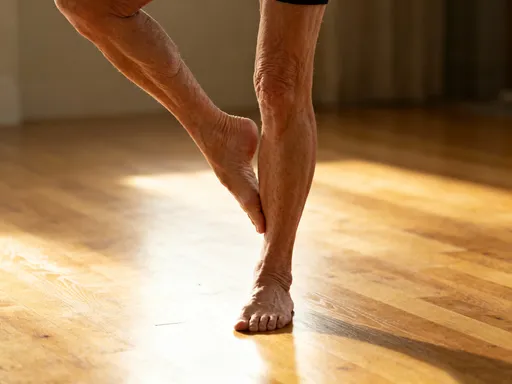
In the evening, I dedicate 10 to 15 minutes to a more structured sequence. I begin with single-leg stands, aiming to hold each side for 30 seconds. As I improve, I close my eyes or stand on a folded towel to increase difficulty. Next, I perform heel-to-toe walks along a hallway line, turning my head side to side as I move. This combines balance with vestibular training, improving coordination between vision and movement. I finish with seated weight shifts—sitting on the edge of a chair and leaning forward, backward, and side to side without using my hands. This strengthens the core and enhances postural control.
The key to success has been integration, not isolation. I don’t treat balance as a separate workout; I weave it into daily routines. I stand while folding laundry, balance on one foot while putting on socks, and practice slow, mindful movements during stretching. The goal isn’t to achieve perfect form every time, but to build consistency. Even on busy days, I do at least one balance exercise—because something is always better than nothing. Over time, these small actions have added up to real progress.
What Science Backs: Understanding the Research Behind Balance Training
The effectiveness of balance training isn’t just anecdotal—it’s supported by decades of research in physical therapy, gerontology, and rehabilitation science. Numerous studies have shown that structured balance exercises significantly reduce the risk of falls, particularly among older adults. Programs that include strength training, coordination drills, and functional movements are consistently linked to improved postural control and greater confidence in daily activities. While exact statistics vary, the overall consensus is clear: regular balance training enhances stability and reduces injury risk.
One of the most compelling aspects of this research is the role of neuroplasticity—the brain’s ability to adapt and reorganize neural pathways in response to experience. When you practice balance exercises, you’re not just strengthening muscles; you’re training your nervous system to process sensory information more efficiently. Over time, the brain learns to integrate input from the eyes, inner ear, and body more effectively, leading to faster reflexes and smoother coordination. This means that even after years of inactivity, the body can relearn balance skills with consistent practice.
Balance training is a standard component of rehabilitation for individuals recovering from strokes, joint surgeries, or neurological conditions. Physical therapists use evidence-based protocols that progress from simple weight shifts to complex, multi-directional movements. These protocols emphasize safety, gradual progression, and functional relevance—meaning the exercises mimic real-life activities like standing up, walking, or reaching. The principles used in clinical settings can be adapted for home practice, making them accessible to anyone committed to improvement.
Additionally, research highlights the importance of consistency. Short, frequent sessions—such as 10 to 15 minutes daily—are more effective than longer, infrequent ones. This aligns with the concept of motor learning, where repetition and regular exposure reinforce neural patterns. Studies also show that combining balance exercises with strength training yields better outcomes than either approach alone. This synergy strengthens both the physical and neurological components of stability, creating a more resilient system overall. The science confirms what many have experienced: small, intentional actions, done regularly, lead to meaningful change.
Building a Sustainable Habit: From Doubt to Daily Practice
Starting a balance routine is one thing; sticking with it is another. Like any habit, consistency requires more than motivation—it requires mindset shifts and practical strategies. One of the biggest barriers is self-doubt. Thoughts like “I’m too old for this” or “I’ll never be steady” can stop progress before it begins. But balance isn’t about age or athleticism—it’s about intention and repetition. Reframing balance work as an act of self-care, rather than a response to weakness, can transform the experience from a chore to a daily gift to oneself.
Time is another common concern. Many believe they don’t have room in their schedule for additional routines. But balance training doesn’t require blocks of time. Integrating exercises into existing habits—like brushing teeth, waiting for coffee, or watching TV—makes them manageable. The goal isn’t to add more to your day, but to move more mindfully within it. Even 30 seconds of single-leg standing, repeated several times, contributes to long-term improvement.
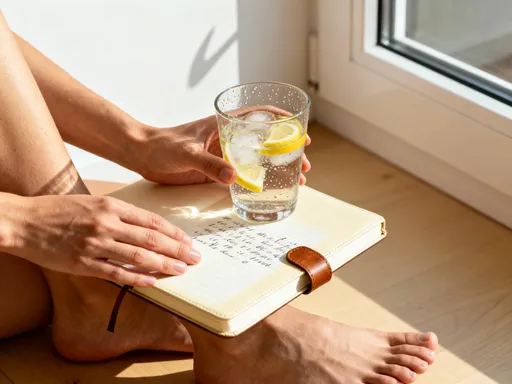
Tracking progress can boost motivation. I started by noting how long I could stand on one leg without support. At first, it was barely 10 seconds. Now, I can hold 45 seconds with eyes closed. Keeping a simple log—on paper or in a notes app—helps recognize growth, even when it feels slow. Celebrating small wins, like completing a week of daily practice or walking without holding the railing, reinforces commitment.
Patience is essential. Balance doesn’t improve overnight. Some days will feel better than others, and that’s normal. The body adapts gradually, and setbacks are part of the process. The key is to keep showing up, without judgment. Over time, the habit becomes automatic—a natural part of daily life, like brushing your teeth or drinking water. And with each small effort, confidence grows, not just in your balance, but in your ability to care for yourself.
Regaining balance isn’t about dramatic transformations—it’s about showing up for yourself daily with small, intentional actions. What started as a fear of falling turned into a deeper appreciation for stability, strength, and body awareness. These methods aren’t flashy, but they’re effective, grounded in real-life needs and science. The journey isn’t over, but every step forward builds more confidence. Your balance can improve at any age—start where you are, use what you have, and keep moving.