Why Moving More Changed My Pregnancy—And Could Transform Yours
Pregnancy brings joy, but also aches, fatigue, and anxiety. I once feared exercise might harm my baby—until I learned how safe movement supports both mom and child. With guidance from my doctor and physical therapist, I discovered simple, effective ways to stay active. This isn’t about intense workouts; it’s about feeling stronger, sleeping better, and preparing your body for birth. Let’s explore how smart, gentle motion can become your pregnancy superpower.
The Hidden Struggles of Pregnancy (and Why Movement Helps)
Many women enter pregnancy with excitement, only to be met by unexpected physical and emotional challenges. Back pain, swollen feet, restless nights, and mood fluctuations are common companions during these months. These discomforts are not just inevitable side effects—they often stem from how our bodies adapt to carrying new life. As the uterus expands, the center of gravity shifts forward, placing extra strain on the lower back and pelvis. Blood volume increases, which can lead to swelling in the hands and feet. Hormonal changes, particularly rising levels of progesterone and estrogen, influence neurotransmitters in the brain, sometimes triggering anxiety or emotional sensitivity.
At the same time, many expectant mothers unintentionally become more sedentary. Nausea in early pregnancy, fatigue throughout, or simply the belief that rest is always best can lead to reduced physical activity. While rest is important, too much inactivity can worsen symptoms. Sitting for long periods slows circulation, increasing the risk of swelling and leg cramps. It can also contribute to stiffness, poor posture, and even deeper fatigue, as the body’s energy systems become less efficient without movement to stimulate them.
What many don’t realize is that gentle, consistent movement helps counteract these challenges. Light physical activity enhances blood flow, delivering more oxygen and nutrients to both mother and baby. It supports the lymphatic system, helping reduce fluid retention and swelling. Movement also helps regulate hormones linked to mood, such as serotonin and endorphins, which can ease anxiety and improve emotional well-being. Studies have shown that women who engage in regular low-impact exercise during pregnancy report fewer physical complaints and better sleep quality.
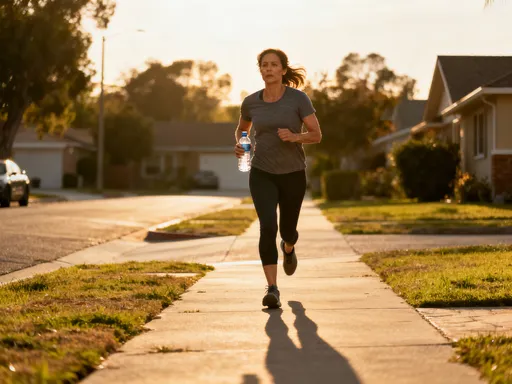
For me, the turning point came in the second trimester. I was struggling with persistent lower back pain and constant tiredness. My doctor suggested a daily 20-minute walk. Skeptical at first, I gave it a try. Within a week, I noticed I had more energy. By the second week, my back pain had lessened. The change wasn’t dramatic, but it was real. I realized that movement wasn’t draining me—it was recharging me. That small shift in routine helped me feel more in control of my body during a time when so much felt unpredictable.
Debunking Myths: What Pregnant Women *Really* Need to Know About Exercise
Despite growing evidence supporting prenatal exercise, many women still hesitate due to common myths. One of the most persistent is the belief that physical activity could harm the baby. This fear is understandable, especially for first-time mothers. However, decades of research show that moderate exercise during a healthy pregnancy is not only safe but beneficial. The American College of Obstetricians and Gynecologists (ACOG) recommends at least 150 minutes of moderate-intensity aerobic activity per week for most pregnant women, provided there are no medical complications. The uterus is well-protected by amniotic fluid and strong muscles, and the placenta ensures a steady supply of nutrients and oxygen, even during movement.
Another myth is that pregnant women should avoid getting tired or sweating. Some believe that any sign of exertion is a red flag. In reality, normal physical effort—like brisk walking or light resistance training—can safely elevate the heart rate and cause light perspiration without risk. The key is moderation. The body’s cardiovascular system naturally adapts during pregnancy to handle increased demands. When exercise is done within safe limits, it strengthens the heart and lungs, improving endurance that will be valuable during labor and delivery.
A third misconception is that only specialized “pregnancy-safe” classes count as real exercise. While prenatal yoga or water aerobics can be excellent choices, they are not the only options. Everyday movement matters just as much. Taking the stairs, gardening, dancing while cooking, or walking the dog all contribute to physical well-being. The goal is not perfection or performance, but consistency and comfort. It’s about finding ways to stay active that fit naturally into daily life, without adding stress or pressure.
Still, medical guidance is essential. Every pregnancy is different, and certain conditions—such as placenta previa, preeclampsia, or cervical insufficiency—may require restrictions. That’s why it’s crucial to consult with a healthcare provider before beginning or continuing any exercise routine. A simple conversation can clarify what’s safe and appropriate for individual circumstances. With professional approval, most women can embrace movement as a safe and empowering part of their prenatal journey.
The 3 Pillars of Safe & Effective Prenatal Movement
To build a balanced and sustainable exercise routine during pregnancy, experts often emphasize three foundational elements: stability, mobility, and cardio. Together, these pillars support the body’s changing needs, reduce discomfort, and prepare for the physical demands of childbirth. Each plays a unique role, and when combined, they create a holistic approach to prenatal fitness that prioritizes safety and long-term well-being.
Stability focuses on strengthening the core and pelvic floor muscles. As the belly grows, these muscles bear increasing pressure. A strong core helps maintain proper posture, reducing strain on the back and pelvis. The pelvic floor, a group of muscles that support the bladder, uterus, and bowels, plays a critical role during pregnancy and delivery. Gentle exercises like modified planks, standing core engagement, and pelvic tilts can enhance stability without overexertion. Kegel exercises, which involve contracting and relaxing the pelvic floor, are especially valuable. They improve muscle control, which can aid in labor and reduce the risk of incontinence after birth.
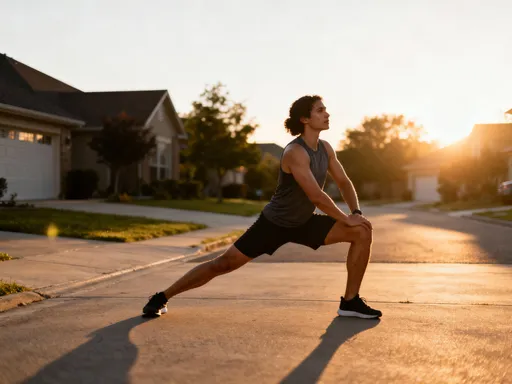
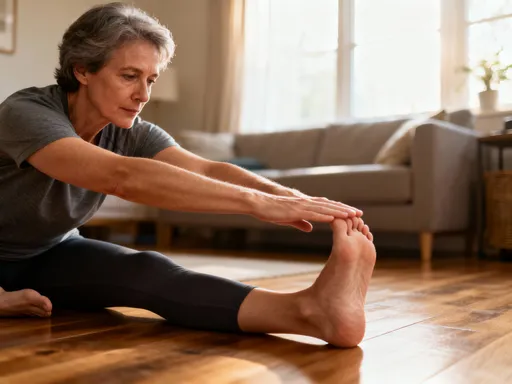
Mobility refers to maintaining joint flexibility and ease of movement. Pregnancy hormones like relaxin loosen ligaments to prepare the pelvis for delivery, but this can also lead to joint instability and discomfort. Gentle stretching, especially for the hips, lower back, and shoulders, helps counteract stiffness and supports better alignment. Prenatal yoga and guided stretching routines are excellent for mobility. Movements like cat-cow stretches, seated forward bends, and shoulder rolls can be done daily with minimal effort. The goal is not to achieve extreme flexibility, but to maintain a comfortable range of motion that supports daily activities and reduces tension.
Cardiovascular exercise, or cardio, keeps the heart and lungs strong. Low-impact options are ideal during pregnancy, as they minimize joint stress while still providing aerobic benefits. Walking is one of the most accessible and effective forms of prenatal cardio. It requires no special equipment, can be done at any pace, and fits easily into most schedules. Swimming and water aerobics are also excellent choices, as the buoyancy of water reduces pressure on the joints while allowing full-body movement. Stationary cycling offers another safe option, especially for those who enjoy structured workouts. These activities improve circulation, boost energy, and support healthy weight gain—all of which contribute to a smoother pregnancy and delivery.
My Go-To Routine: A Real-Life Weekly Plan That Actually Works
Knowing what to do is one thing; making it happen every day is another. After trying several approaches, I settled on a weekly routine that felt manageable, enjoyable, and effective. It wasn’t about pushing limits, but about showing up consistently. I aimed for 20 to 30 minutes of movement most days, with flexibility to adjust based on how I felt. The key was variety—mixing different types of activity to keep things interesting and address multiple aspects of fitness.
My week typically looked like this: Monday started with a 25-minute walk in the neighborhood. I liked going in the morning when the air was fresh and the streets were quiet. Tuesday included a 20-minute prenatal yoga session from an online video—gentle stretches, breathing exercises, and a few modified poses. Wednesday was resistance band day. I used light bands to do seated rows, shoulder presses, and leg abductions. These exercises helped maintain upper body strength and supported better posture. Thursday was another walk, this time with a friend, which added a social element that lifted my mood.
Friday returned to mobility with a short stretching routine focused on the hips and lower back. Saturday was my more active day—I often went for a longer walk or tried a water aerobics class at the local pool. Sunday was a rest day, though I still moved lightly, perhaps with a short stroll after dinner or some gentle stretching while watching TV. This rhythm gave me structure without rigidity. If I felt unusually tired or unwell, I scaled back or skipped a session without guilt. The goal was progress, not perfection.
As my pregnancy progressed, I made natural adjustments. In the first trimester, I focused more on building the habit, even if it meant shorter walks or just five minutes of stretching. By the second trimester, when energy levels improved, I increased duration and added resistance work. In the third trimester, I shifted toward more mobility and stability exercises, reducing impact and intensity. I listened closely to my body, opting for seated or supported movements when standing became uncomfortable. What stayed constant was the commitment to move every day in some way—because I could feel the difference it made.
Listening to Your Body: The Art of Intuitive Movement During Pregnancy
One of the most important skills I developed was learning to listen to my body. Pregnancy is a time of constant change, and physical needs can shift from day to day. What felt good one morning might feel exhausting the next. Instead of following a rigid plan, I learned to tune in to signals like fatigue, breathlessness, or joint discomfort. This approach—often called intuitive movement—emphasizes awareness over achievement.
A helpful tool is the “talk test.” If I could speak in full sentences while moving, I knew I was exercising at a safe, moderate intensity. If I was too breathless to talk, it was time to slow down. Another guide is perceived exertion—how hard the activity feels on a scale from 1 to 10. For most pregnant women, staying between 4 and 6 is ideal. This means the effort is noticeable but not straining. It’s not about heart rate monitors or step counts, but about internal feedback.
Warning signs should never be ignored. Dizziness, chest pain, vaginal bleeding, or regular contractions during exercise are reasons to stop immediately and consult a healthcare provider. Other signals, like sharp pain, leaking fluid, or a sudden drop in fetal movement, also require prompt medical attention. These are rare, but awareness is crucial. At the same time, normal sensations—like mild muscle fatigue or light sweating—are not cause for concern.
Breath and alignment became my daily anchors. I learned to breathe deeply and rhythmically during movement, which helped me stay relaxed and focused. I paid attention to posture, avoiding overarching the lower back or locking the knees. Comfort, not appearance or performance, became the priority. This mindset reduced guilt on days when I couldn’t do as much and increased satisfaction on days when I did. Intuitive movement isn’t about pushing through pain—it’s about honoring the body’s wisdom during a transformative time.
Beyond the Bump: How Prenatal Movement Supports Postpartum Recovery
The benefits of staying active during pregnancy extend far beyond the nine months. One of the most meaningful realizations came after delivery, when I noticed how much easier my recovery felt compared to my first pregnancy. I had more strength, better endurance, and a greater sense of body awareness. I wasn’t just physically prepared—I was mentally resilient, too.
Regular movement built the stamina needed for labor. Pushing during delivery is physically demanding, and having cardiovascular fitness made a difference. I was able to maintain focus and conserve energy during contractions. My core and pelvic floor strength also played a role. Because I had practiced pelvic tilts and Kegels, I had better control during pushing, which may have contributed to a smoother delivery. While every birth is unique, feeling physically prepared gave me confidence that I hadn’t had before.
Postpartum healing was also more manageable. I experienced less fatigue and was able to get up and move around sooner. My muscles recovered faster, and I had fewer issues with incontinence or back pain. This wasn’t due to genetics or luck—it was the result of consistent, mindful movement throughout pregnancy. Studies support this: women who exercise regularly during pregnancy often report shorter hospital stays, fewer complications, and faster return to pre-pregnancy activity levels.
Mentally, staying active helped me maintain a positive connection to my body. Pregnancy can sometimes make women feel like their bodies are no longer their own. Movement became a way to stay grounded, to feel strong and capable despite the changes. That sense of agency carried into the postpartum period, helping me adapt to the challenges of new motherhood with greater calm and resilience. I wasn’t just caring for my baby—I was honoring my own health, too.
Making It Stick: Simple Habits That Turn Movement Into a Lifestyle
The biggest challenge isn’t starting—it’s sustaining. Many women begin an exercise routine in early pregnancy but lose momentum as fatigue or discomfort increases. The key to consistency isn’t willpower; it’s integration. When movement becomes part of daily life, it stops feeling like a chore and starts feeling like self-care.
One effective strategy is habit stacking—pairing exercise with existing routines. For example, I started walking for 15 minutes after lunch every day. Because eating was already a fixed part of my schedule, the walk naturally followed. Other ideas include stretching while watching the morning news, doing pelvic tilts during commercial breaks, or taking a short walk after dinner with a partner or family member. These small additions accumulate, making it easier to reach daily goals without disrupting the day.
External cues also helped. I set a daily reminder on my phone labeled “Move your body.” I created a playlist of uplifting songs that I only listened to while walking or stretching. Music became a trigger, signaling it was time to move. Having a supportive partner made a difference, too. Even if they weren’t exercising with me, their encouragement reinforced the value of the habit. Knowing someone noticed and appreciated my effort increased my motivation.
Perhaps most important was cultivating a non-judgmental mindset. There were days when I only managed five minutes of movement, or when I skipped a session entirely. Instead of criticizing myself, I practiced self-compassion. I reminded myself that every bit counts, and that consistency over time matters more than any single workout. Progress isn’t linear, especially during pregnancy. What matters is showing up, again and again, in whatever way feels right that day.
Movement during pregnancy isn’t a luxury or an optional add-on. It’s a fundamental part of caring for two lives. It supports physical health, emotional balance, and long-term well-being. It prepares the body for birth and eases the transition into motherhood. With medical approval, realistic goals, and a flexible approach, every woman can find a way to move that feels good and sustainable. The journey of pregnancy is profound—let movement be a trusted companion along the way.