How I Wove Qigong Into My Daily Routine—And Why It Actually Works
You don’t need hours of meditation or a retreat in the mountains to feel balanced. I used to think qigong was just slow motions for older folks—until I tried it during a stressful work phase. Within weeks, my sleep improved, my focus sharpened, and I felt calmer without any drastic life changes. It wasn’t magic—just consistent, mindful movement woven into everyday habits. This is how I made qigong a natural part of my lifestyle, not an extra task on the to-do list.
The Burnout That Led Me to Qigong
Like many women in their 30s and 40s, my days were filled with responsibilities—managing a household, supporting family members, meeting work deadlines, and trying to stay active. I prided myself on being capable, but over time, that capability began to feel like strain. I was surviving, not thriving. Mornings started with a racing mind, afternoons were powered by coffee, and nights ended with hours of lying awake, mentally replaying conversations or worrying about tomorrow’s to-do list. I wasn’t sick, but I wasn’t well either.
I tried various solutions: longer workouts, sleep trackers, even cutting out caffeine. While each helped slightly, nothing addressed the underlying tension—the constant hum of low-grade stress that made me feel like I was always one missed appointment away from falling apart. I needed something that didn’t demand more energy but instead restored it. That’s when I first heard about qigong. A friend mentioned it casually, saying she did a few minutes each morning and felt more centered. Skeptical but desperate, I looked into it—not as a cure-all, but as an experiment.
What drew me in was its foundation in Traditional Chinese Medicine (TCM), a system that views health as balance—between movement and stillness, activity and rest, effort and ease. Unlike high-intensity exercise, which often left me more drained, or meditation, which felt too still for my restless mind, qigong offered a middle path. It wasn’t about pushing harder; it was about moving with awareness. The goal wasn’t to burn calories but to cultivate qi, the vital energy that TCM says flows through the body. When qi moves freely, the body functions optimally. When it’s blocked or depleted, we feel fatigued, anxious, or unwell. Qigong, I learned, is designed to clear those blockages gently and consistently.
What Qigong Really Is (And What It Isn’t)
Before I began, I had a few misconceptions. I pictured qigong as a form of martial arts or something mystical involving glowing energy fields. I was wrong. At its core, qigong is a practice of coordinated movement, breath, and mental focus. The word itself combines qi (vital energy) and gong (cultivation or skill), so it literally means “energy cultivation.” But you don’t need to believe in energy to benefit from it. From a physiological standpoint, qigong works by engaging the parasympathetic nervous system—the part of your nervous system responsible for rest, digestion, and recovery.
When you move slowly and breathe deeply, your body receives signals that it’s safe. Your heart rate slows, your muscles relax, and your mind begins to settle. This is not mystical—it’s measurable. Studies have shown that regular qigong practice can reduce cortisol levels, improve heart rate variability, and enhance mood. It’s similar in effect to mindfulness or gentle yoga, but with a unique emphasis on fluid, repetitive motions that help the body “remember” how to move naturally.
Another important point: qigong is not about performance. You don’t need flexibility, strength, or special clothing. You don’t have to stand perfectly still or hold difficult poses. It’s accessible at any age and any fitness level. Whether you’re recovering from illness, managing chronic pain, or simply feeling worn down by daily life, qigong meets you where you are. It’s not a workout in the conventional sense. There’s no sweat, no competition, no need to keep up. It’s a practice of presence—of showing up for yourself in small, meaningful ways.
Why Daily Habits Matter More Than Long Sessions
One of the biggest shifts in my thinking was realizing that wellness doesn’t require big time investments. I used to believe that to make a difference, I needed to commit to 30-minute workouts or hour-long meditation sessions. But life rarely allows that kind of consistency. The truth is, short, regular practices are more effective than occasional long ones. Think of it like brushing your teeth. You don’t brush for an hour once a week and expect perfect dental health. You do it daily, in small increments, and the benefits accumulate over time.
Research supports this. Studies on habit formation show that behaviors are more likely to stick when they’re simple, repeatable, and integrated into existing routines. When I applied this principle to qigong, everything changed. Instead of setting aside time for a formal practice, I looked for natural transitions in my day—moments when I was already pausing or shifting activities. These micro-moments became my entry points. Three to five minutes of mindful movement in the morning, another few minutes after lunch, and a short sequence before bed. These weren’t grand gestures, but they added up.
The key is consistency, not duration. By making qigong a daily habit, even in tiny doses, I began to notice subtle shifts. My breathing became deeper without effort. I caught myself slouching and corrected my posture automatically. I felt less reactive when things didn’t go as planned. These changes didn’t happen overnight, but they were real. And because the practice was so gentle, I never felt guilty for missing a day. There was no pressure, no all-or-nothing thinking. It was simply about returning, again and again, to a few moments of awareness.
My 3 Simple Entry Points Into Daily Qigong
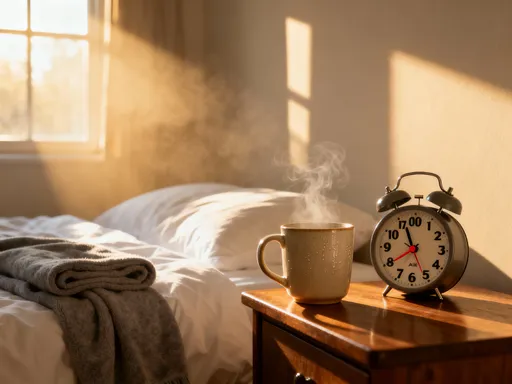
Over time, I identified three natural moments in my day that became anchors for my qigong practice. The first is in the morning, right after I wake up but before I get out of bed. I call this my “wake-up sequence.” I lie on my back, place one hand on my belly and one on my chest, and take five slow, deep breaths. Then I do a gentle version of Lifting the Sky—raising my arms overhead as I inhale, lowering them as I exhale, keeping the movements smooth and fluid. This takes less than three minutes, but it signals to my body that the day has begun with intention, not urgency.
The second entry point is midday, usually around 2 p.m., when I feel my energy dipping. Instead of reaching for another cup of tea, I stand up and do a few rounds of Bear Swings. This is a simple movement where I let my arms hang loosely and sway gently from side to side, allowing my spine to move with the motion. It’s not vigorous—just a soft, rocking motion that releases tension in the shoulders and lower back. I do this for two to three minutes, often while standing near a window or in a quiet corner. It’s not about exercise; it’s about resetting. Afterward, I feel more alert and less stiff, as if I’ve shaken off the mental fog.
The third and most important entry point is in the evening, about 30 minutes before bed. This is my wind-down routine. I sit in a comfortable chair or lie on the floor and do a sequence of seated qigong movements. I start with shoulder rolls—rolling them forward and backward slowly, coordinating each movement with my breath. Then I do a gentle neck release, tilting my head side to side and forward and back, moving with care. Finally, I practice diaphragmatic breathing for five minutes, focusing on expanding my belly with each inhale. This routine doesn’t put me to sleep, but it prepares my body for rest. It’s become a signal that the day is ending, and it’s time to let go.
How I Fixed My Posture and Reduced Screen Fatigue
One of the most noticeable changes since starting qigong has been in my posture. Like many people, I spend hours each day looking at screens—working on the computer, checking emails, or scrolling through news. Over time, this led to a habit of hunching forward, rounding my shoulders, and craning my neck. I didn’t realize how much tension I was carrying until I started paying attention. Headaches, stiff neck, and a constant ache between my shoulder blades became normal. I thought this was just part of aging or working hard.
Qigong helped me recognize that poor posture isn’t just a physical issue—it’s a reflection of stress. When we’re anxious or overworked, our bodies contract. Our shoulders rise, our chest closes, and our breath becomes shallow. Qigong works against this by encouraging spinal alignment, shoulder relaxation, and deep breathing. One of the most helpful practices I’ve adopted is the Spinal Wave. Sitting in a chair, I inhale as I gently arch my back slightly, lifting my chest. Then I exhale as I round my spine, letting my head drop forward. I repeat this five to six times, moving slowly and coordinating with my breath. It feels like a mini-reset for my spine.
I also do a simple seated shoulder exercise: I inhale as I lift my shoulders toward my ears, then exhale as I roll them back and down, squeezing my shoulder blades together. This opens the chest and counteracts the forward slump. I do this a few times every hour when working. It takes less than a minute, but it makes a difference. Over time, my posture has improved not because I’m forcing myself to sit straight, but because my body has relearned how to align naturally. The headaches have decreased, and I feel more comfortable in my body throughout the day.
Sleep, Stress, and the Calming Ripple Effect
One of the most profound benefits of qigong has been its impact on my sleep. For years, I struggled with falling asleep and staying asleep. My mind would race with thoughts, worries, or plans, even when I was physically tired. I tried sleep aids, white noise machines, and strict bedtime routines, but nothing fully resolved the issue. What changed was learning how to shift my nervous system out of “fight or flight” mode and into “rest and digest.” That’s where qigong made the difference.
The slow, rhythmic movements and deep breathing activate the vagus nerve, which plays a key role in calming the body. This doesn’t happen instantly, but with regular practice, the body begins to associate these movements with safety and relaxation. I noticed that on days I did my evening qigong routine, I fell asleep more easily and woke up feeling more refreshed. I wasn’t sleeping longer, but the quality of my sleep improved. I spent more time in deep, restorative sleep and less time tossing and turning.
Equally important was the effect on my emotional resilience. I didn’t become immune to stress, but I became less reactive to it. When something frustrating happened—a delayed appointment, a miscommunication, a household mishap—I noticed I wasn’t jumping straight to anxiety. There was a pause, a moment of awareness, before I responded. That pause made all the difference. It wasn’t a dramatic transformation, but a quiet shift in how I moved through the day. I felt more grounded, more present, more like myself.
Making It Stick: Habits That Last Without Pressure
The secret to maintaining any habit isn’t motivation—it’s design. I learned this the hard way. In the beginning, I set ambitious goals: 20 minutes every morning, a full session every evening. When I missed a day, I felt guilty. When I was tired, I skipped it. The practice became another item on my to-do list, another source of pressure. That’s when I realized I had it backward. Qigong wasn’t meant to be another task; it was meant to be a refuge.
So I redesigned my approach. I used the concept of habit stacking—linking qigong to existing behaviors. I do my morning breathwork while the kettle boils. I do shoulder rolls while waiting for my computer to boot up. I practice my evening sequence while my tea steeps. These tiny cues made the practice automatic, not forced. I also stopped tracking time and started noticing how I felt. On days I practiced, I had more energy, better focus, and a calmer mood. That became the motivation, not guilt or discipline.
I also gave myself permission to be imperfect. Some days, I only do one breath. Some days, I forget entirely. But I’ve learned that missing a day doesn’t ruin progress. What matters is returning, without judgment. Wellness isn’t about perfection; it’s about showing up, again and again, in whatever way you can. Qigong taught me that small actions, done consistently, create lasting change—not because they’re dramatic, but because they’re sustainable.
Integrating qigong into daily life isn’t about becoming an expert or mastering complex forms. It’s about reclaiming small moments of presence in a world that pulls us in every direction. It’s about listening to your body, honoring your energy, and giving yourself the gift of stillness without guilt. Real wellness doesn’t come from overhauling your life—it grows from tiny, intentional choices that add up over time. You don’t need more time, more resources, or more willpower. You just need to begin, wherever you are, with whatever you have. These quiet moments of movement and breath may seem small, but they build a foundation of resilience, balance, and peace that supports everything else. And that, more than any grand gesture, is what makes a lasting difference.